
Aging brings wisdom, stories, and experiences that shape who we are. But as the years go by, one of the most important aspects of maintaining independence and quality of life—our vision—can begin to change. Clear sight helps us read, drive, cook, recognize loved ones, and safely move through the world. For seniors, maintaining good vision is not simply about seeing clearly—it’s about preserving dignity, safety, and connection to life’s everyday joys.
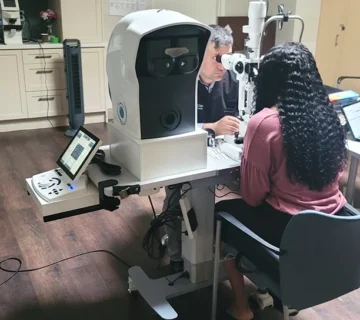
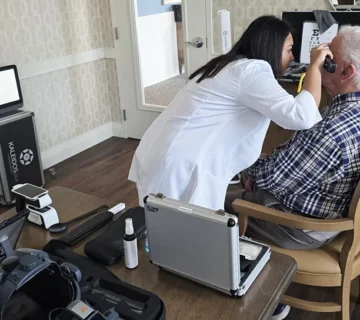
At Optician On Wheels, we understand that getting to an eye clinic isn’t always easy. That’s why we bring professional, compassionate eye care directly to where seniors live—whether that’s at home, in retirement communities, or long-term care facilities. Our mission is to make comprehensive eye care accessible, comfortable, and personalized for every senior we serve.
The Importance of Vision in Senior Health
Vision is one of our most vital senses, and its decline can affect far more than sight alone. Studies show that seniors with untreated vision problems are more likely to experience falls, depression, cognitive decline, and loss of independence. Something as simple as difficulty reading labels or missing a step on the stairs can have serious consequences.
Healthy vision allows seniors to continue doing what they love—reading the morning paper, playing cards with friends, or enjoying a walk in the garden. It also plays a critical role in mental well-being, helping individuals stay active, social, and engaged in their communities.
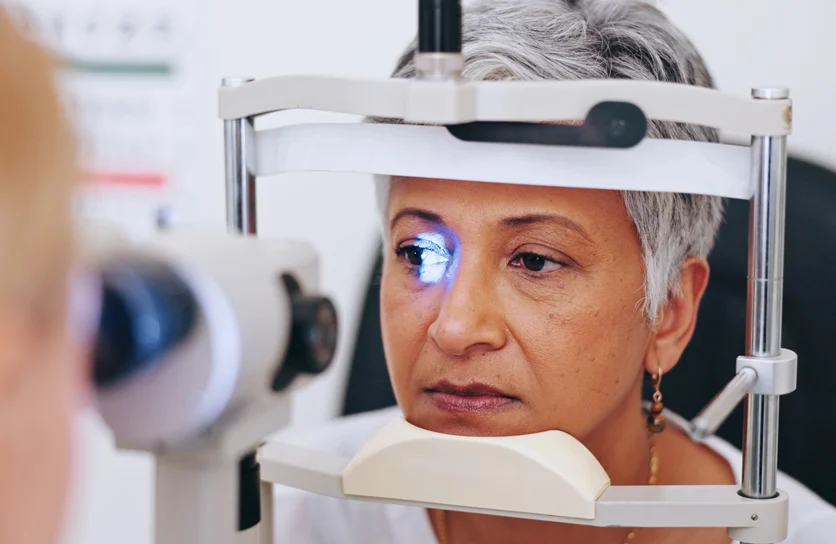
Yet, because vision changes happen gradually, many older adults don’t notice the decline until it begins to affect daily life. That’s why regular comprehensive eye exams are essential for early detection and prevention of eye diseases that can lead to irreversible vision loss.
Common Vision Challenges in Seniors
As we age, the eyes go through natural changes. Some are simply part of aging, while others may indicate underlying conditions requiring medical attention. Here are some of the most common vision challenges seniors face:
1. Cataracts
Cataracts occur when the eye’s natural lens becomes cloudy, leading to blurred, hazy, or faded vision. Colors may seem dull, and night vision often worsens. Cataracts develop slowly and are extremely common—by age 80, more than half of Canadians either have cataracts or have undergone cataract surgery.
Treatment: Surgery is highly effective, but early detection ensures better management and safety until treatment is needed.
2. Glaucoma
Known as the “silent thief of sight,” glaucoma damages the optic nerve, often with no symptoms until vision loss occurs. It’s a leading cause of blindness in older adults.
Treatment: Regular eye exams can detect increased eye pressure early, allowing for treatment that slows or prevents damage.
3. Age-Related Macular Degeneration (AMD)
AMD affects the macula—the part of the retina responsible for sharp, central vision. It makes tasks like reading, recognizing faces, or driving difficult.
Treatment: While there’s no cure, early diagnosis and treatment can slow progression and preserve functional vision.
4. Diabetic Retinopathy
For seniors living with diabetes, fluctuating blood sugar levels can damage retinal blood vessels, leading to blurred vision or even blindness.
Treatment: Proper diabetes management combined with regular eye exams is the best defense.
5. Dry Eye Syndrome
As tear production decreases with age, the eyes can feel dry, gritty, or irritated. This may seem minor but can significantly affect comfort and clarity of vision.
Treatment: Artificial tears, proper hydration, and medical treatment can help relieve symptoms and protect the eyes.
The Hidden Risks of Poor Vision
Poor vision impacts nearly every aspect of senior life. It can cause:
- Increased risk of falls: Depth perception and contrast sensitivity decline with vision loss, making steps and uneven ground hazardous.
- Reduced independence: Tasks like cooking, reading medication labels, or managing finances become difficult.
- Emotional effects: Loss of vision can lead to withdrawal, isolation, and depression.
- Cognitive challenges: Recent research links poor vision with faster cognitive decline in older adults.
An annual eye exam can make the difference between maintaining independence and needing daily assistance. It’s one of the simplest, most effective steps for aging safely and confidently.
Why Regular Eye Exams Matter
1. Early Detection Saves Sight
Many eye diseases progress silently. By the time symptoms appear, damage may already be irreversible. A comprehensive eye exam can identify issues long before noticeable vision loss occurs, allowing for timely treatment and monitoring.
2. Safer Living and Fewer Falls
Vision plays a crucial role in balance. Detecting and correcting vision problems can significantly reduce the risk of falls—one of the leading causes of injury among seniors.
3. Staying Connected and Engaged
Vision connects us to the people and activities we love. Whether it’s reading, gardening, crafting, or socializing, clear sight keeps seniors engaged and confident.
4. Supporting Other Health Conditions
Eye exams can reveal early signs of systemic health issues such as diabetes, high blood pressure, and high cholesterol. In many cases, optometrists are the first to detect these changes.
Mobile Eye Exams for Seniors: Bringing Care Home
At Optician On Wheels, we recognize the unique needs of older adults. Many seniors face mobility challenges, transportation barriers, or health conditions that make clinic visits difficult. That’s why we bring the clinic to you.
Our mobile eye care service is designed to provide convenient, comprehensive, and compassionate eye exams in the comfort of familiar surroundings. We partner with retirement homes, long-term care facilities, and family caregivers to ensure seniors receive consistent and high-quality vision care without leaving home.
Our Mobile Exams Include:
- Comprehensive eye health evaluation
- Prescription updates for glasses
- Screening for cataracts, glaucoma, AMD, and diabetic eye disease
- Consultation on dry eye management and ocular comfort
- On-site eyewear fittings with a wide selection of frames and lens options
- Education for caregivers and staff on supporting residents’ visual health
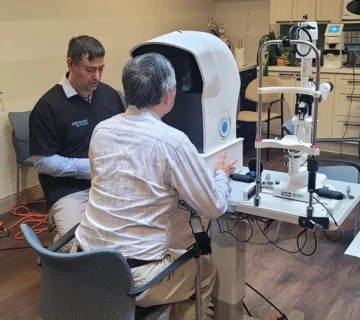
We use state-of-the-art portable diagnostic equipment to deliver the same accuracy and quality as in-clinic exams. Our team’s gentle, patient-centered approach ensures that every senior—whether mobile or bedridden—receives personalized attention.
How Often Should Seniors Have an Eye Exam?
The Canadian Association of Optometrists recommends that adults aged 65 and older have a comprehensive eye exam every year. Those with diabetes, high blood pressure, or a family history of eye disease may need exams more frequently.
Even if vision seems fine, changes can occur gradually and painlessly. Regular checkups are the key to prevention and peace of mind.
Supporting Seniors’ Vision Health — Together
Family members and caregivers play an essential role in monitoring eye health. Encourage your loved ones to mention any vision changes, even small ones. Look out for signs such as:
- Difficulty reading or recognizing faces
- Frequent squinting or rubbing of eyes
- Avoiding hobbies that require focus
- Unexplained balance issues or hesitation while walking
By staying attentive and proactive, families can help seniors maintain confidence and safety in daily living.
Your Golden Years Should Be Bright and Clear
Aging doesn’t mean giving up independence or the joys of daily life—it means adapting with care, compassion, and smart choices. Vision is too important to ignore. With Optician On Wheels, seniors don’t have to worry about transportation or long clinic waits. We bring the exam, expertise, and eyewear directly to them.
Book a senior-friendly eye exam today.
Let us help you or your loved one see the world clearly, comfortably, and confidently — wherever you call home.